
From Co-op to Capstone: How Prototype Development Turned Court IQ into Reality
Innovation often starts with a simple idea.
At Acorn Product Development, we've always believed that some of the most exciting innovations begin with people who are curious enough to ask questions and determined enough to keep improving their ideas. Whether through mentorship, co-op programs, or the engineering and design services we provide every day, we're passionate about helping innovators transform ambitious concepts into real products. Just as importantly, we enjoy celebrating members of our community who continue building long after their time with us.
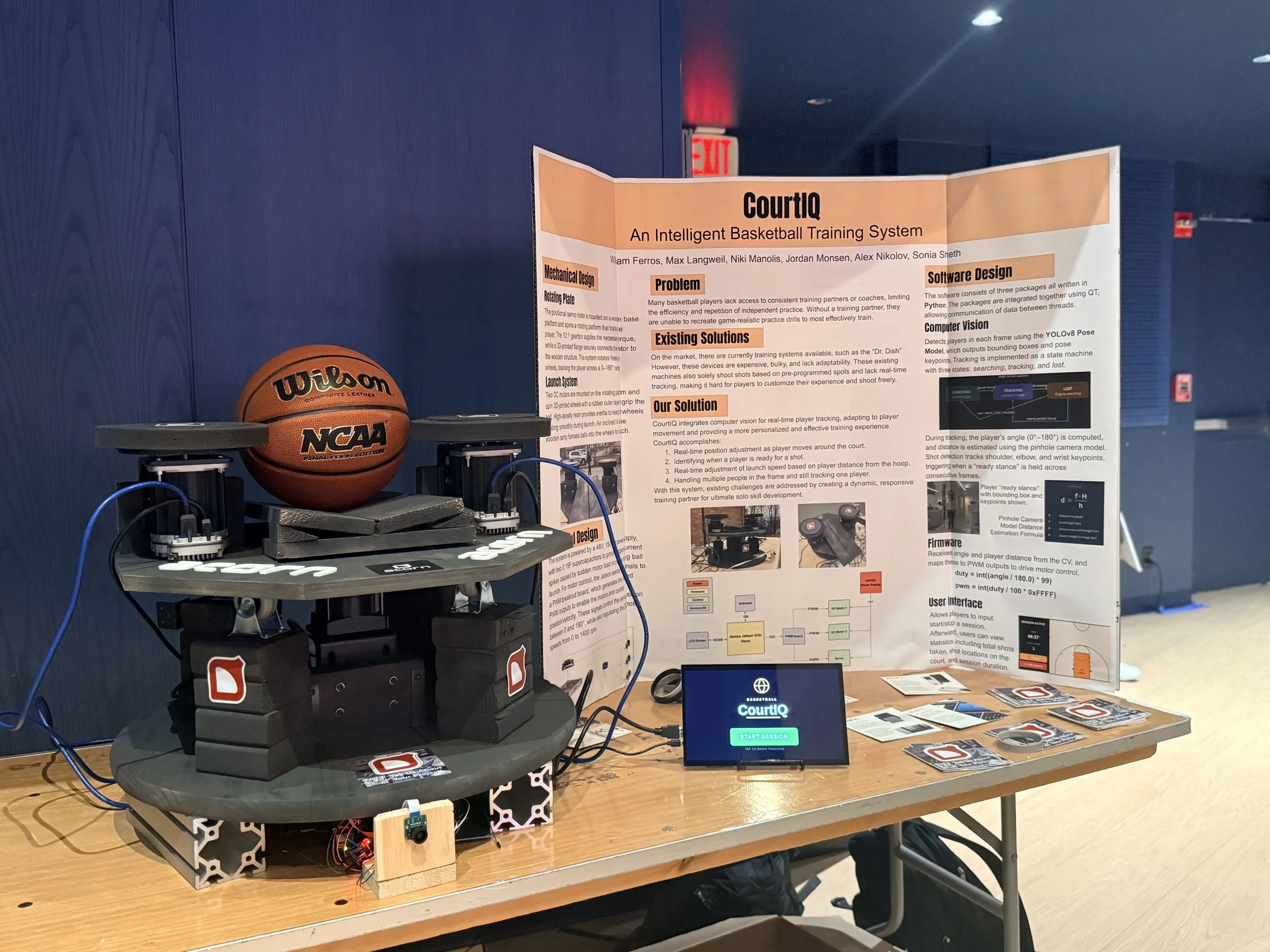
One of those innovators is former Acorn co-op Billy Ferros, an Electrical Engineering student at Northeastern University. His senior capstone project, Court IQ, started as a proof of concept to improve basketball training. Through months of prototype development and product design and development, it evolved into an intelligent player-tracking and automated ball-delivery system that combines mechanical engineering, computer vision, controls, and software. The goal was straightforward: create a more user-friendly training experience that helps athletes spend more time shooting and less time chasing rebounds.
Court IQ is an impressive piece of engineering, but the finished product is only part of the story. Billy's journey reflects what the real-world product development process often looks like. Progress came through an iterative process of testing ideas, solving unexpected problems, and making thoughtful design decisions under tight constraints.
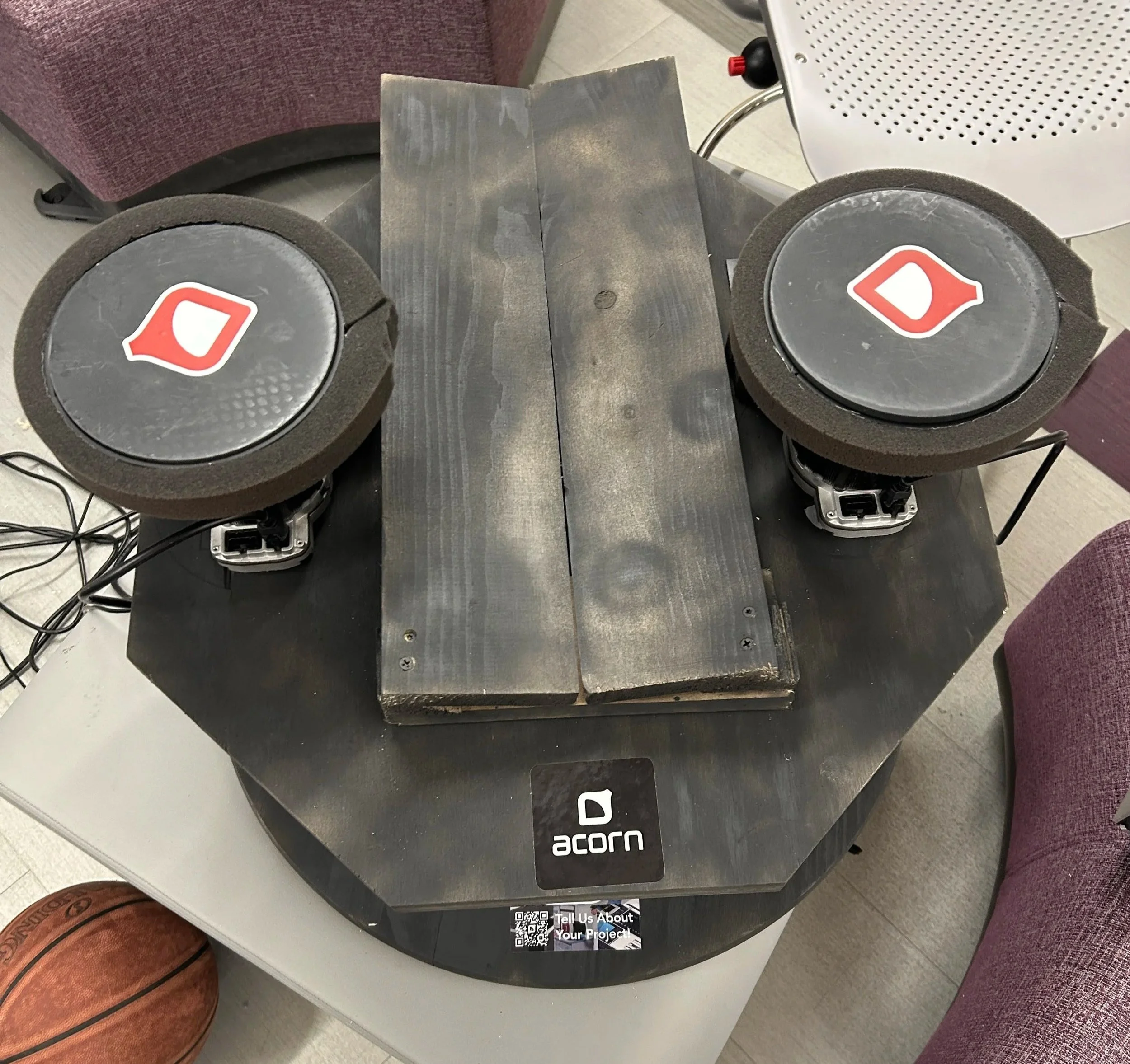
Existing passing machines often require athletes to return to fixed locations or manually adjust drills. Billy's team wanted something smarter. Their system tracks a player's position and delivers passes automatically, creating a smoother user experience and allowing athletes to focus on practice instead of setup.
"If what matters to you is making sure your players get as many shots during practice as possible," Billy said. "This is your machine."
Bringing that vision to life required collaboration across mechanical engineering, electrical engineering, controls, software, and computer vision. Limited resources meant the team had to borrow tools, rely on personal connections for manufacturing assistance, and learn more about the manufacturing process while balancing performance, cost, and practicality. They also kept design for manufacturing in mind so the concept could continue evolving beyond the classroom.
Billy credits much of his engineering mindset to his co-op experience at Acorn. Working alongside experienced engineers gave him insight into how product development companies approach the complete product development process, from early brainstorming and design reviews to prototype testing, refinement, and validation. Rather than jumping straight to solutions, he watched experienced engineers ask questions first, evaluate tradeoffs, and think several steps ahead.
"One of the biggest things I learned was to think before you buy it," Billy said. "Really think through what could be needed and cover your bases."
That advice proved valuable when the team's original drive system created structural challenges. Instead of starting over, Billy applied approaches he had seen at Acorn, re-evaluated the design, and improved the system without sacrificing progress.
Experiences like these are difficult to recreate in a classroom. Real projects teach engineers how to communicate effectively, evaluate tradeoffs, adapt when plans change, and make decisions with incomplete information. Those lessons are especially valuable for anyone pursuing a career as a product design engineer because technical knowledge alone is rarely enough.
One of Billy's proudest moments came during system integration.
"We were able to integrate the mechanical system and the computer system almost flawlessly in one afternoon."
That achievement represented months of planning, collaboration, prototype testing, and refinement. It also reinforced that successful engineering depends on every discipline working toward the same goal.
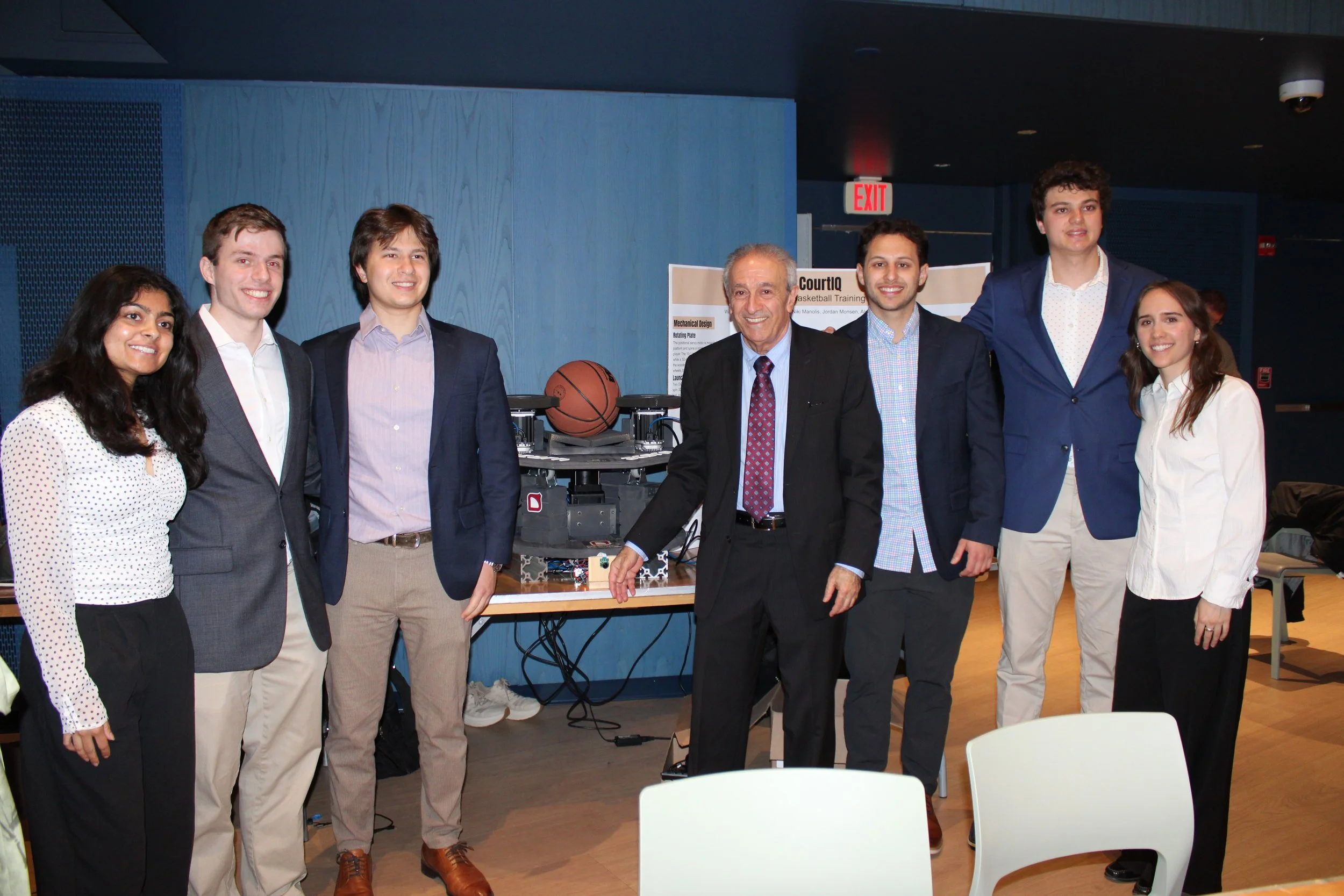
Court IQ reflects a broader shift happening across engineering education. Today's engineers are expected to understand how hardware, software, controls, and user experience work together to build products people genuinely enjoy using. Billy's co-op exposed him to product development and prototyping from early concepts through refinement, giving him practical experience that complemented what he learned in the classroom.
Today, Billy and his teammates are exploring patent protection while continuing to improve Court IQ. Their long-term vision is to move the technology from a university project toward a product to market. The functional prototypes they have already built demonstrate both the team's technical ability and the value of continuous iteration. Every improvement brought new insights, proving that successful innovation is rarely a single breakthrough but a series of thoughtful decisions.
"When you're working for a client, you're not just building something for a grade," Billy said. "You have to deliver."
That perspective resonates with everyone at Acorn. Supporting students and early-career engineers has always been an important part of who we are. Through our product development services, we help innovators gain confidence, strengthen engineering judgment, and solve meaningful problems while preparing them for the challenges of professional engineering.
Billy's story is a reminder that innovation rarely comes from unlimited resources. It comes from curiosity, collaboration, resilience, and a willingness to keep learning. Those qualities helped transform a classroom project into a sophisticated engineering system, and they continue to shape Billy's future as an engineer.
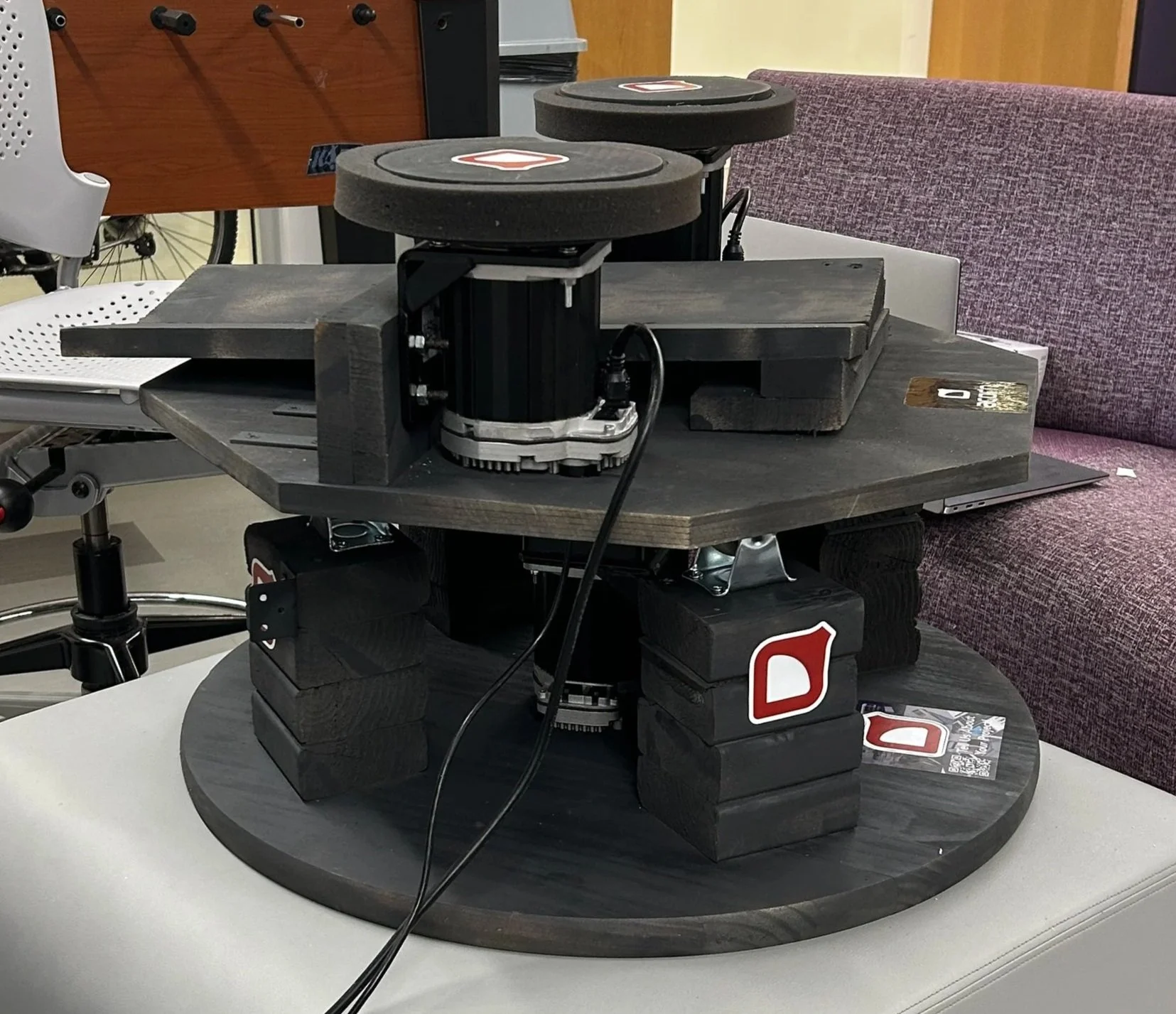
Every engineering project leaves behind lessons that extend well beyond the final product. For Billy, Court IQ reinforced the importance of listening to teammates, embracing feedback, and treating every challenge as an opportunity to improve. Those experiences mirror what happens every day in professional product development, where successful teams refine ideas through collaboration, careful testing, and practical decision-making. They also demonstrate why hands-on learning remains one of the best ways to prepare future engineers. By building, testing, revising, and learning from each iteration, students develop the confidence to tackle increasingly complex challenges throughout their careers.
At Acorn, we're proud to help innovators move from ideas to real products. From early concept exploration and prototype development to comprehensive product design and development services, we partner with startups, entrepreneurs, and established organizations throughout every stage of development. Whether you're looking for engineering and design services, guidance from an experienced product design engineer, or a trusted partner for product development and prototyping, our team is ready to help.
If you're ready to bring your own concept to life, we'd love to hear from you. Contact the Acorn team to learn how we can help transform your next idea into reality.